
Modern Dating Solutions

Founder, MoDS · Professional Matchmaker
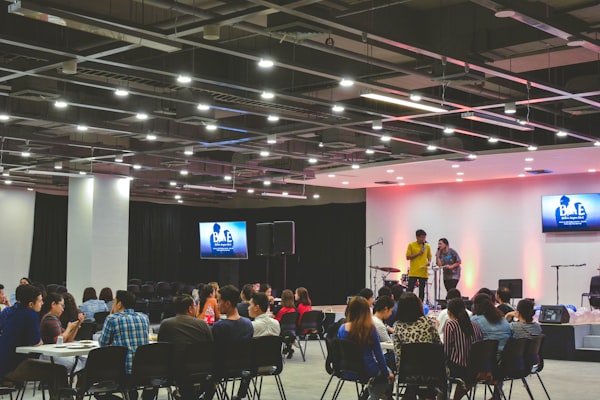
You’ve been there. Most people who’ve been single for any length of time have been there.
You spent more time than you’d like to admit getting ready. You drove to a venue you’d never been to, paid a cover charge, walked into a room buzzing with activity – and felt, within twenty minutes, the slow deflation of recognizing that this wasn’t it. Again.
Maybe the room was two-thirds one gender and one-third the other. Maybe you scanned the space and couldn’t find a single person who looked like they were operating on the same frequency. Maybe everyone seemed nice enough but nobody seemed right, and you couldn’t put your finger on why, and you started to wonder whether the problem was you.
It wasn’t you. I promise.
Somewhere weeks before the event, someone with good intentions decided to organize a singles night. They booked a venue. They created a Facebook event. They promoted it. They probably felt genuinely excited about helping people connect.
What they almost certainly did not do was talk to any singles about what they actually needed.
They didn’t ask: “What would make you feel safe in this environment?” They didn’t ask: “What’s the one thing that always goes wrong at these things?” They didn’t ask: “What would make you willing to put yourself out there in a room full of strangers?” They planned the event from the outside – from the perspective of an organizer – and hoped that everyone inside would figure the rest out.
That gap – between what organizers assume and what singles actually need – is where most singles events quietly go to die.
Chemistry is exhausting when you’re simultaneously trying to evaluate whether this person shares any of your foundational values. It doubles the cognitive load of every interaction. And it leads people to rely on surface-level signals – physical attraction, conversational wit – instead of the deeper compatibility that actually predicts whether two people can build something together.
Events that don’t screen for values don’t just fail to create connections. They actively train people to look for the wrong things.
This might be the most damaging failure of all. Organizers rarely know why their events don’t work. Attendees leave quietly, don’t come back, and don’t explain why. The organizer runs the same event six months later with the same structural problems. Nothing improves. The cycle compounds. And every bad experience erodes a little more of someone’s willingness to keep trying.
When people complain about the dating landscape, the temptation is to respond with more. More events. More apps. More options. More opportunities to swipe, scroll, and show up somewhere hoping this time will be different.
But more of the same broken thing is still broken.
The missing ingredient is the one that’s been sitting there the whole time, completely ignored: the perspective of the singles themselves.
Nobody knows what singles need better than singles. Not the organizers. Not the matchmakers. Not the coaches. Not the app developers. The people who carry the actual experience – who’ve sat through the bad events, felt the mismatch, done the mental math on whether it’s worth trying again – those people hold the most valuable knowledge in the room. And we’ve been systematically leaving it on the table.
What would a gender-balanced event look like if a room of singles designed it from scratch? What screening process would actually surface compatibility instead of just filling seats? What activity creates the right conditions for real conversation instead of forced small talk? What would make someone feel safe enough to be genuinely themselves within the first ten minutes?
We don’t have to guess. We can ask.
The best product and service improvements in history didn’t come from boardrooms. They came from users who got frustrated enough to say “there has to be a better way” – and were given somewhere to put that frustration to work.
That’s what the MoDS Suggestion Box is. Not a complaint form. Not a survey. An innovation engine powered by the lived experience of 4,000 people who have been through enough bad events to know exactly what a good one would look like.
Here’s what changes when singles design the experience:
I built Modern Dating Solutions because I was tired of watching singles get let down by systems that were supposed to serve them. The events that drained their hope instead of feeding it. The communities that were technically open to everyone but built for no one in particular. The industry that kept doing the same thing and expecting different results.
The Suggestion Box is the most concrete expression of what MoDS is actually about: a community where the people who are most affected by the quality of these experiences are the ones who get to shape them.
Your idea doesn’t have to be fully formed. It doesn’t have to be a revolutionary breakthrough. It just has to be honest – a real thing you’ve experienced, a real frustration you’ve felt, a real “what if someone tried this” that you’ve been sitting with.
Submit it. We’ll read it. And the best ones won’t stay suggestions for long.